
Namaste, flute players!
Your bansuri is not just a musical instrument — it is a piece of living nature. The magic of its warm, resonant, and soul-stirring tone comes largely from the bamboo it is crafted from. The quality, density, length between nodes (internodes), wall thickness, and natural resonance of the bamboo determine whether your flute produces a rich, stable tone or a thin, unstable one.
In this detailed blog, we explore the best places in India where the finest bansuri bamboo grows, why these regions produce superior quality, and later, other countries that supply excellent bamboo for modern bansuri makers.
Why Bamboo Quality Matters So Much for Bansuri
The ideal bansuri bamboo must have:
Long, straight internodes (an internode is interval or part between two nodes)
Even wall thickness and density
Natural resonance
Resistance to cracking after seasoning
Bamboo with too many nodes creates weak points and affects tone purity. That’s why professional makers are extremely selective.
Finest Bamboo Regions in India
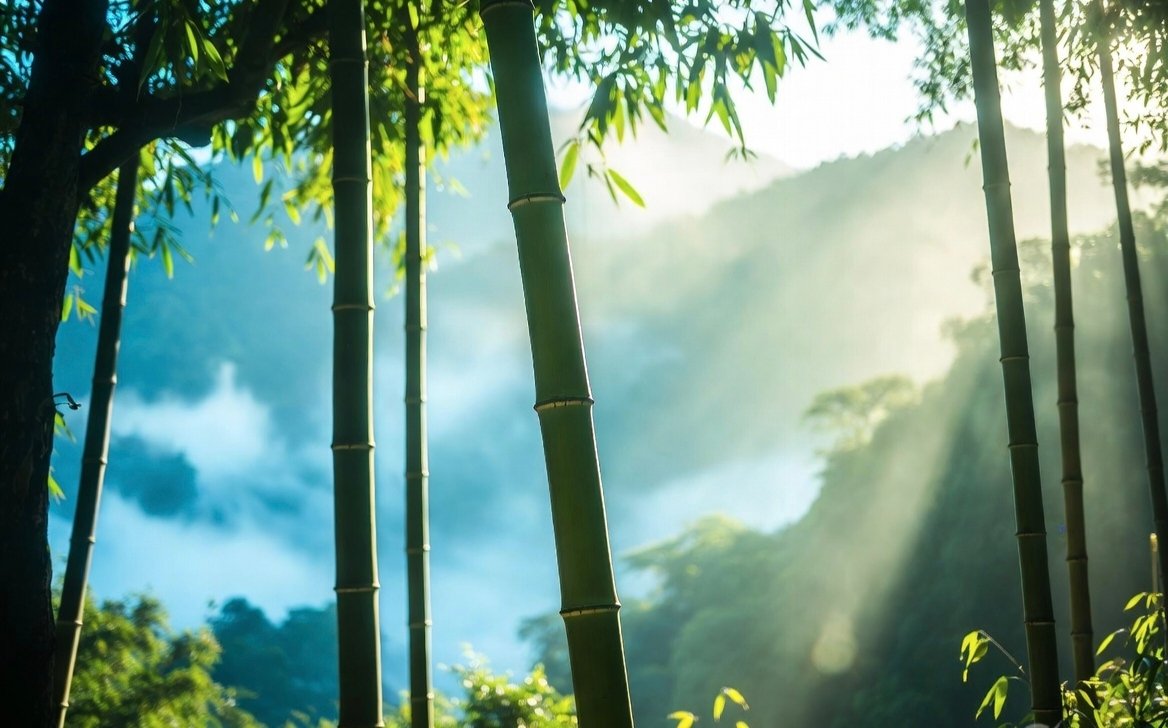
1. Assam (The Undisputed King for Bansuri Bamboo)
Assam in Northeast India is widely regarded as the best source of bamboo for professional bansuri.
Why Assam produces the finest bamboo:
High rainfall and humidity: The Brahmaputra river basin and tropical climate provides perfect growing conditions.
Himalayan foothills influence: Rich soil and elevation create strong yet flexible bamboo with long, knot-free sections.
Natural seasoning: The climate allows slow, natural drying, which enhances resonance and stability.
Many legendary makers (including those who supply to maestros) personally travel to Assam to hand-select bamboo. Professional bansuris are traditionally sourced from here for their superior tone & warmth.
2. Other Northeast Indian States
The entire Northeast is a bamboo paradise:
Arunachal Pradesh, Meghalaya, Mizoram, Nagaland, Tripura, and Sikkim: These areas share similar climatic advantages to Assam.
Bamboo here often has excellent density and straight growth due to hilly terrain and heavy monsoon rains.
3. Southern India – Kerala & Western Ghats
Kerala and parts of Tamil Nadu (around Madurai) are famous for another excellent variety.
Western Ghats ecosystem: High biodiversity, consistent rainfall, and unique soil produce dense, resonant bamboo.
Different tonal character: Kerala bamboo gives a warmer, rounder, and sweeter tone compared to the brighter Assam variety.
4. Other Indian Regions
Uttar Pradesh (Pilibhit area): Historically significant for thinner-walled bamboo.
Himalayan foothills (Uttarakhand, Himachal): Produce high-quality bamboo suited for smaller, higher-pitched flutes.
Bamboo Sourcing from Other Countries
Modern professional makers now source internationally for unique tonal qualities:
Vietnam: Increasingly popular. Vietnamese bamboo is often described as dense, stable, and consistent. Many high-end makers consider it among the best for professional bansuri due to excellent wall thickness and resonance.
Indonesia: Provides good quality bamboo with nice tonal warmth.
Other mentions: Hawaii, Bangladesh, China, and parts of South America are also used occasionally, though less common for traditional Hindustani bansuri.
How Master Makers Choose Bamboo
Expert craftsmen look for:
Age of bamboo (usually 3–5 years mature)
Straightness and uniform diameter
Natural color and minimal defects
Acoustic properties (they tap and listen before cutting)
Final Thoughts: Respect the Source of Your Sound
The next time you play your bansuri, remember it carries the spirit of the forests of Assam, the misty hills of Kerala, or distant Vietnamese groves. Choosing a well-made flute from quality bamboo is one of the best investments you can make in your musical journey.
If you’re planning to buy a new bansuri and want guidance — I’m here to help personally.
Message me on WhatsApp or visit the contact page on my website. I guide students on selecting the perfect flute that matches their playing level and musical goals.
Tell me in the comments:
Have you ever wondered where your bansuri’s bamboo came from? Which region’s bamboo would you like to try first?
Let’s celebrate the natural origins of this divine instrument. May your bansuri always sing with the pure voice of the forest!
Until next time — play with awareness and gratitude!